I think back to opening a casino app that had been built for desktop and then forced onto a phone screen. Buttons were minuscule, text needed scaling, and the whole thing felt like playing cards through a keyhole. That moment made clear that mobile-first design isn’t a extra—it’s a rethinking of digital casino experiences. When I look at platforms like Vegas Hero Casino, the strongest mobile designs don’t just shrink desktop sites. They reconstruct interaction logic around the thumb. The ordinary French player now devotes more time on casino apps than desktop sites, and that percentage rises every quarter. A genuinely good mobile-first casino design isn’t just responsive code. It prioritizes touch targets, load speed, and one-handed navigation. I intend to walk through what that approach appears as in practice, from downloading the app to daily routines like spinning a slot or joining a live table.
What precisely Mobile-first Truly Means inside a Casino Context
When I discuss mobile-first design, I am not referring to a website that works on a phone. I refer to a product where every decision starts with mobile constraints and then extends to larger screens. In a casino setting, this involves specific implications. The main input is a thumb, not a mouse cursor, so touch targets need to be larger and easier to hit. The screen is tall and narrow. Network conditions shift as players move between Wi-Fi and 4G or 5G. A mobile-first casino constructs the game lobby around these realities. Slot thumbnails are large enough to tap without mistakes. The deposit button is located in the lower third where a thumb naturally rests. Critical actions aren’t hidden inside hamburger menus. This constraint requires hard choices. A desktop site may display twenty game categories in a sidebar; a phone could present five core categories and a clear path to the rest. That limitation is a gift because it compels the casino to surface what players need most often without clutter.
Performance and Load Speed as Core Design Principles
Reasons Every Kilobyte Matters
I’ve been in enough places with inconsistent mobile reception to know that casino app performance is emotional, not just technical. When a slot game takes eight seconds to load while the connection indicator spins, excitement turns into frustration. Mobile-first design treats bandwidth and processing power as precious resources. That means compressing image assets thoroughly without visible quality loss, loading game previews lazily as the user scrolls, and keeping the initial download size small enough for limited data plans. I’ve seen casino apps that weigh over two hundred megabytes, a major barrier on a French mobile plan with data caps. The best operators keep the core app under fifty megabytes and download individual games on demand. They also optimize for the mid-range devices most people actually own, not just the latest flagships. Testing on a three-year-old Android with a simulated slow network reveals more than any lab report.
Disconnected and Low-connectivity States
One part of mobile-first design that rarely gets enough attention is how the app behaves when the connection drops. Casino games are live experiences requiring server communication, so full offline play isn’t feasible for most game types. But the app itself shouldn’t freeze or crash. I look for designs that handle disconnection smoothly: a clear but unobtrusive message that the connection has been lost, an automatic reconnection attempt that doesn’t require restarting the app, and preservation of the game state so a player returning from a brief tunnel or elevator ride can resume exactly where they left off. Some of the best implementations I’ve seen allow a player to browse the lobby and read game rules while offline, queueing actions that will execute once the connection returns. This turns a possibly infuriating moment into a minor pause and respects the reality that mobile connections are inherently unstable.
In what manner Download and Installation Determine First Impressions
Identifying the Right Source for the App
Before I ever view a game lobby, my first contact with a mobile casino is the download process. This step often is neglected, but it establishes the mood. For French players using platforms like Vegas Hero Casino, the safest route is to download the app directly from the official website rather than third-party stores that may host outdated versions. I always suggest navigating to the verified URL on a mobile browser and looking for a clearly marked download section. The best operators make this path obvious, with a prominent button that detects the device type and serves the correct file. A mobile-first download page is fast-loading, free of graphics that choke a cellular connection, and written in clear French explaining what permissions the app requests and why. I’ve tested casino apps where the download page took twelve seconds on 4G, and many players abandon the process before it completes. Every second matters here.
Setup Steps for Android and iOS
The installation process differs between operating systems, and a well-designed mobile-first casino accounts for both paths. On Android, installing an app from outside the Google Play Store requires enabling installations from unknown sources. The best casino apps direct users through this setting with clear, step-by-step instructions rather than leaving them to figure it out alone. The app should request only the permissions it genuinely needs and describe each one when requested, not all at once. On iOS, the process is usually easier because the app can be distributed through the App Store or a direct installation profile. Still, I see too many casinos handling iOS as an afterthought, with screenshots that show Android interfaces or text referencing buttons that do not exist on iPhones. A genuinely mobile-first team checks the installation flow on multiple devices, including older models that many French players still use. They also account for users who switch between French and English during setup, so installation guidance should be language-resilient.
Game Choice Tailored to the Compact Display
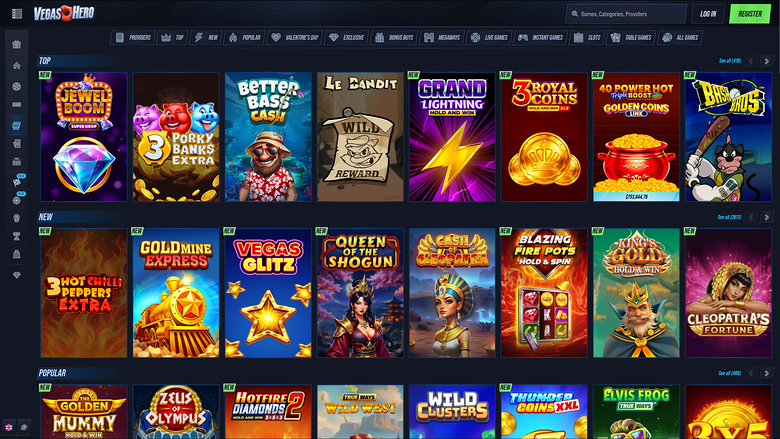
The manner in which a casino showcases its game library on mobile indicates to me a lot about its design priorities. On desktop, a large grid with hover effects, detailed filtering sidebars, and several sorting options is common. On a phone, that approach fails. A mobile-first casino redesigns browsing entirely. I want large, easily tappable game tiles arranged in a one column or two-column grid, with game titles easily visible without squinting. The search function should be standout and accommodating of typos because mobile typing is prone to errors. Filtering should use large chip-style buttons rather than small dropdown menus. I appreciate when the casino tailors the mobile experience instead of dumping every game into the same interface. Showcasing games designed for mobile play, such as portrait slots or live dealer tables with simplified betting layouts, helps new players locate enjoyable experiences faster. A slot quickly ported from desktop may have hard-to-read paytable text and uncomfortable buttons, and the casino should think about whether to showcase it prominently at all.
How to Assess a Mobile Casino App Before You Sign Up
When I assess a mobile casino app, I go through a concrete checklist instead of just checking whether games load. I install the app and track how long it requires from clicking the download button to seeing the game lobby. Beyond thirty seconds on a decent connection suggests poor optimization. I move around entirely with one hand, trying to reach every major function without adjusting my grip. If I have to stretch my thumb to an uncomfortable angle more than once or twice, the layout does not pass the thumb-zone test. I also try landscape and portrait orientations. A well-designed mobile casino should support both, but perform best in portrait mode because that is how most people hold their phones. These are hardly extreme edge cases; they are typical cases for French players on a train, in a café with patchy Wi-Fi, or relaxing on a couch with one hand free.
- Download speed: under thirty seconds to access the lobby on a decent connection.
- One-hand reach: every major action reachable without adjusting your grip.
- Orientation: portrait and landscape support, with portrait as the primary mode.
- Payments: deposit and withdrawal involve few steps and no horizontal scrolling.
- Interruption recovery: airplane mode mid-game triggers a clear reconnection state, not a crash.
Touch-optimized Navigation and Thumb-optimized Layouts
Once the app is deployed, Vegas Hero Casino application ios, the real test of mobile-first design commences. I pay careful attention to where interactive elements are located. Research on thumb zones reveals that the bottom half of a phone screen is the most convenient area for one-handed use, with the center-bottom being the optimal point. The top corners necessitate a grip adjustment or a second hand. A mobile-first casino puts its most frequently used controls in that accessible zone: the spin button on slots, the deal button on blackjack, the deposit shortcut, and the game lobby access. I’ve seen apps that put the main menu in the top-left corner, the most difficult spot for right-handed users, who make up roughly ninety percent of players. That’s a desktop habit that degrades the experience subtly. Navigation should also rely on swipe gestures where they feel natural. Swiping between game categories, pulling down to refresh, and swiping left or right to browse slots all minimize the need for precise tapping. The best mobile casino interfaces feel physical, reacting to touch with immediacy and momentum.
Account Management, Safety, and Safe Gambling on Cell Phone
Account Management and Transactions
Administering money on a phone screen needs clarity and simplicity beyond standard mobile optimization. I must to see my balance at a glance from any screen, not tucked in a menu. The deposit process should need as few steps as possible, with popular French payment methods like Carte Bancaire, PayPal, and Paysafecard shown first with recognizable logos rather than text-only labels. A mobile-first casino creates its cashier flow aware the user might be interrupted. The session should continue so a player who switches to a banking app for authentication goes back to a completed deposit rather than a timeout error. Withdrawal requests warrant equal attention. I’ve used casino apps where the withdrawal form was a shrunken desktop page, demanding horizontal scrolling and microscopic input fields. That erodes trust exactly when trust matters most. The best mobile designs make depositing effortless and withdrawing secure and transparent, with clear progress indicators and optional push notifications.
Security and Responsible Play
Security on mobile presents unique challenges that a mobile-first casino must address directly. I anticipate biometric authentication such as fingerprint or face recognition to be integrated from the first version, not added later. It’s more secure and more convenient than typing a password on a small keyboard. The app should also deal with session timeouts intelligently, locking sensitive areas after inactivity but not logging a player out of a game they were thinking about. Responsible gaming tools need to be just as accessible as deposits. Deposit limits, loss limits, and session time reminders should be configurable within the app, not hidden in a desktop-only settings page. A mobile-first approach also takes into account the unique risks of mobile gambling: the device is always in your pocket, making impulsive sessions more likely. A prominent session timer and a one-tap cooling-off button aren’t just regulatory checkboxes; they are design decisions that respect the player’s wellbeing.
